







Search Results for: Sun-Dried Geisha

The Full Story of the Discontinuation of Panama Hacienda La Esmeralda Geisha Blue Label in 2021 and an Analysis of the Flavor of Natural-Process Blue Label
In the 2020 harvest season, Hacienda La Esmeralda introduced a sun-dried Blue Label Geisha for the first time, and Front Street Coffee was the first to bring it in for comparison. The Blue Label has always allowed enthusiasts to experience the charm of Hacienda La Esmeralda Geisha at an accessible price. However, in 2021 Hacienda La Esmeralda suddenly discontinued the Blue Label tier, drawing widespread attention. This article provides a detailed overview of Hacienda La Esmeralda's three major plot distributions, its Geisha grading system, and its washed and sun-dried processing methods, along with Front Street Coffee's roasting and brewing recommendations. At the end, it reveals the news that the Blue Label is returning to the market under the new brand Las Rocas, bringing a pleasant surprise to readers who love affordable Panamanian Geisha. [more…]
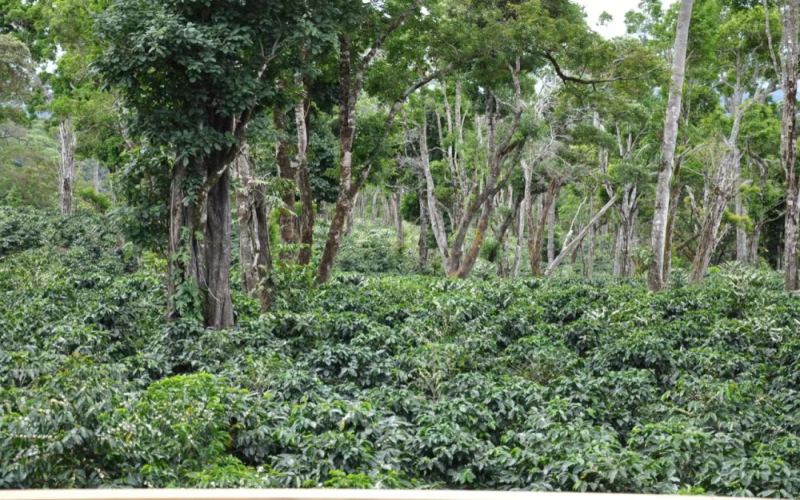
Panama Butterfly Coffee Flavor Analysis: Taste Characteristics of Geisha Blend Varieties and Sun-Dried Processing Brewing Guide
When it comes to Panama coffee, Geisha's fame is resounding, but its high price often makes people shy away. Butterfly coffee beans fill exactly this gap—they come from Panama's Boquete region and are composed of three varieties: Geisha, Caturra, and Catuai, with Geisha accounting for as much as seventy percent, allowing coffee lovers to experience the charm of Geisha at a more relaxed price. Front Street Coffee currently uses sun-dried Butterfly, whose sweetness is prominent after fermentation. This article will guide you through Butterfly's regional terroir and variety composition, and share how to brew good flavor at home with freshly roasted beans by referring to the brewing approach for Panama Geisha. [more…]
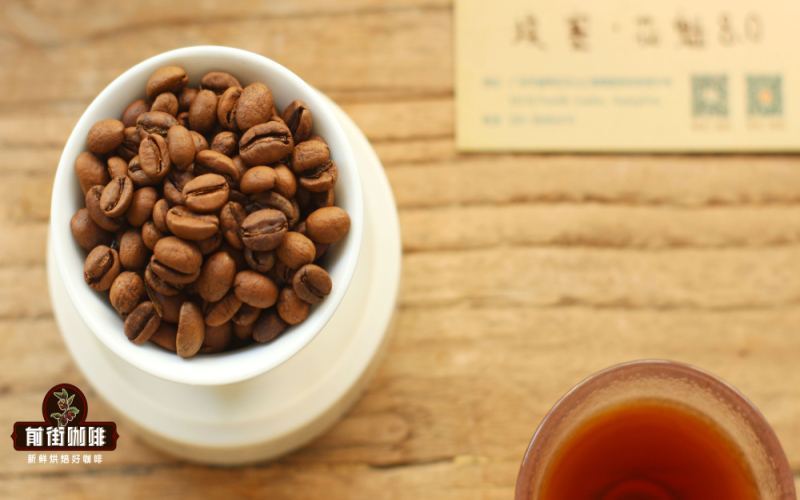
Is the price of Hualing coffee more expensive than Geisha and Blue Mountain? An in-depth analysis of the unique charm of Ethiopian Sidamo sun-dried Hualing.
Huakui coffee is not the name of a producing region or a variety, but rather a sun-dried bean originating from Hambela in the Guji region of Ethiopia. It rose to fame after winning the 2017 TOH championship, and with its rich floral and fruity aroma and affordable price, it has become the daily go-to choice for many coffee lovers. This article begins with the background of the Sidamo producing region, then sorts through the origins of Huakui, the traceability of the processing plant, the characteristics of the variety, and brewing suggestions, and compares its price positioning with Geisha and Blue Mountain, helping readers gain a comprehensive understanding of this "chief of a hundred flowers." [more…]
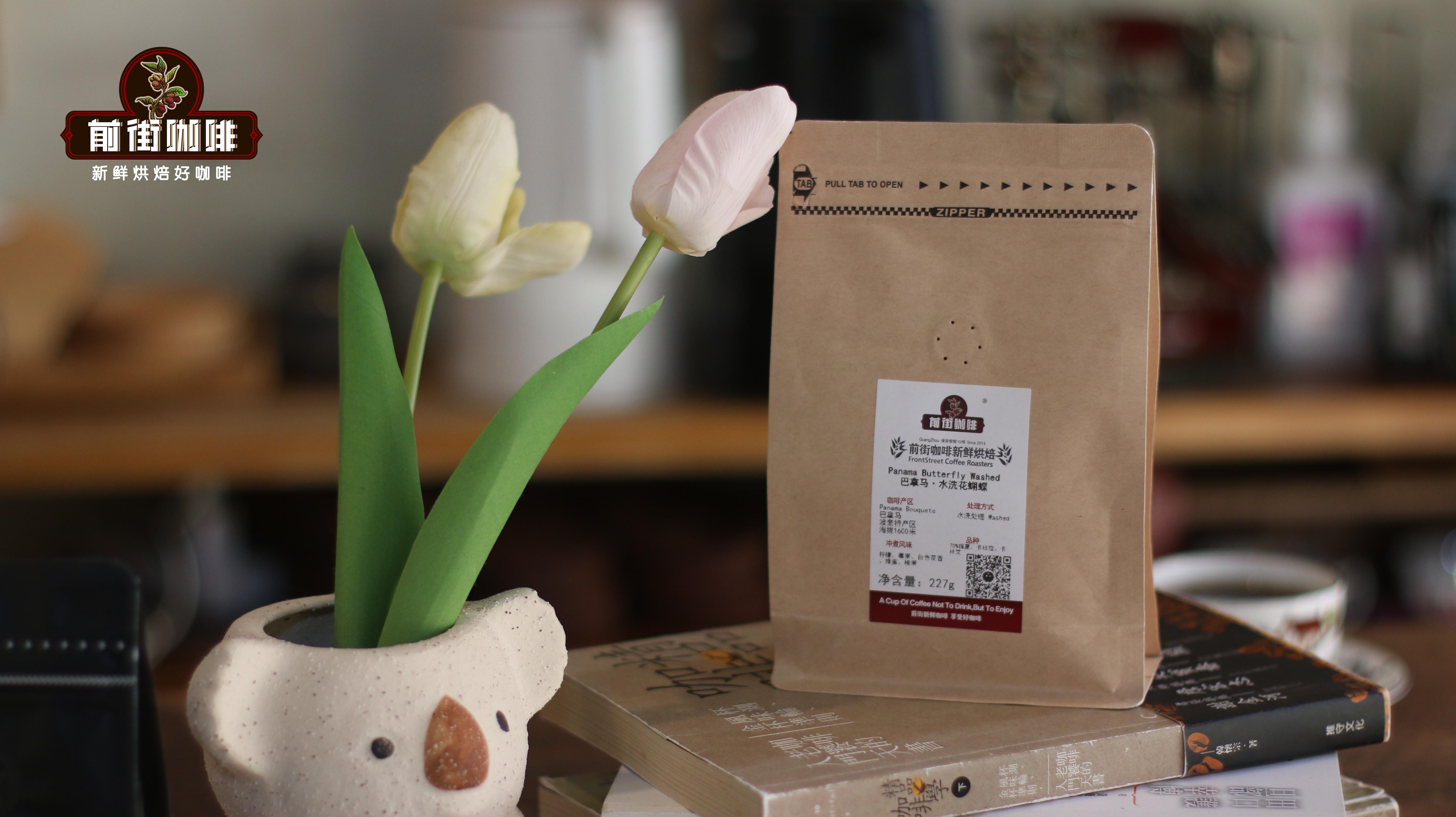
For the same Geisha blend, just how big is the flavor difference between natural and washed processing?
Front Street Panama Butterfly, as a highly cost-effective Geisha blend coffee, has always been favored by coffee enthusiasts. It is a blend of three varieties—Geisha, Caturra, and Catuai—of which Geisha accounts for about seventy percent, originating from the Boquete region of Panama. So, when the same coffee beans undergo two different processing methods—natural and washed—what differences will emerge in flavor? This article will analyze from the perspectives of variety composition, regional background, and processing principles, and through actual brewing tests, compare the specific performances of Front Street Washed Butterfly and Front Street Natural Butterfly in terms of aroma, acidity, cleanliness, and other aspects, guiding you to a deeper understanding of the profound impact of processing methods on coffee flavor. [more…]
Ethiopia Grana Estate Geisha Coffee Bean Flavor Analysis and Pour-Over Brand Recommendations
Ethiopia, as the birthplace of coffee, has a unique cultivation style and processing methods that create a rich and diverse range of flavor expressions. This article focuses on the natural Geisha coffee beans produced at the Grana estate, providing a detailed introduction to the cultivation characteristics of Ethiopian coffee, the differences between washed and natural processing methods, and a key analysis of this Geisha's producing region information, altitude conditions, and flavor characteristics. At the same time, Front Street Coffee, as a pour-over coffee bean brand, recommends this Ethiopian Geisha with high sweetness and prominent tropical fruit flavors to coffee lovers, and shares its roast level and brewing performance, helping readers gain a more comprehensive understanding of this approachable specialty coffee. [more…]
Panama Elida Estate Geisha and Typica: A Complete Guide to Natural Processing and Cold Brew Flavor Analysis
Located in the Boquete production region of Panama, Elida Estate has a century-long history and high-altitude microclimatic conditions, and its Geisha and Typica coffee beans each have their own distinctive characteristics. Using Elida Estate's anaerobic fermentation low-temperature slow sun-dried Geisha and sun-dried Typica as examples, Front Street Coffee explains them one by one, from the production region background, variety characteristics, green bean analysis, roasting curves, to cupping flavors and brewing parameters. The article also shares a home method for making cold brew coffee, helping coffee lovers make a full, juicy Geisha iced coffee at home. [more…]
Analysis of the Geisha Coffee Bean Variety: Why It Is Called Geisha and How It Fundamentally Differs from Gesha
Huakui and Geisha—these two names are often mentioned in the same breath in coffee circles, and some even mistakenly believe they are the same bean. Is that really the case? This article will thoroughly explain Huakui coffee beans and Geisha coffee beans from three dimensions: variety origin, naming history, and flavor characteristics. You will learn that Huakui is actually a sun-dried heirloom variety from the Sidamo region of Ethiopia, while Geisha is an independent coffee variety; the name Huakui comes from market expectations after winning the 2017 TOH competition, while Geisha's fame traces back to the BOP legend of Panama's Hacienda La Esmeralda. Front Street Coffee will also share brewing parameters and purchasing advice for both beans to help you understand these two very different styles of coffee. [more…]
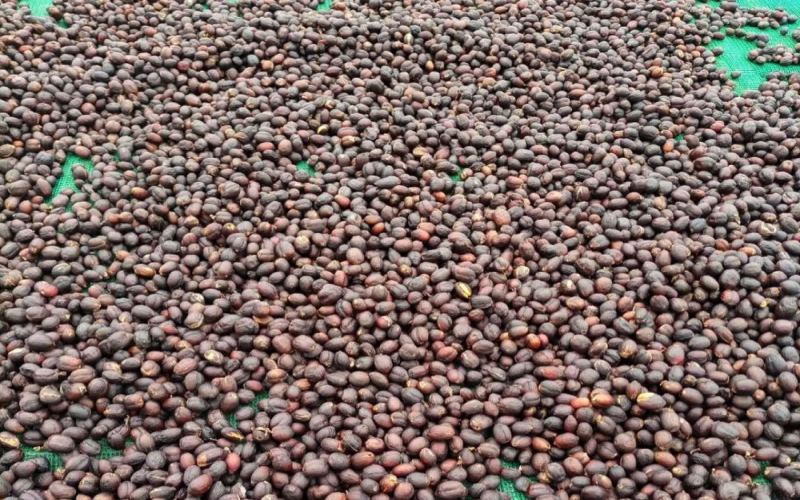
Ethiopia Granada Estate Geisha Coffee Beans: A Full Analysis of Origin Information, Natural Processing, and Grinding & Brewing
Ethiopia is the birthplace of coffee and one of the important producing regions of the Geisha variety. Unlike American producing countries such as Panama, Ethiopian coffee is mainly grown by smallholders, with complex varieties, mostly exported under the name "heirloom". This article focuses on Front Street's recommended Grana Estate Geisha, covering everything from the producing region background and processing station information to the sun-dried process and brewing methods. This coffee is grown at an altitude of 1,600 to 1,900 meters, uses sun-dried processing and a medium-light roast, and features aromas of perfume, red-fleshed dragon fruit, lime, and apricot, making it suitable for pour-over, cold brew, and other brewing methods. The article also includes cold brew steps and storage suggestions for coffee lovers' reference. [more…]
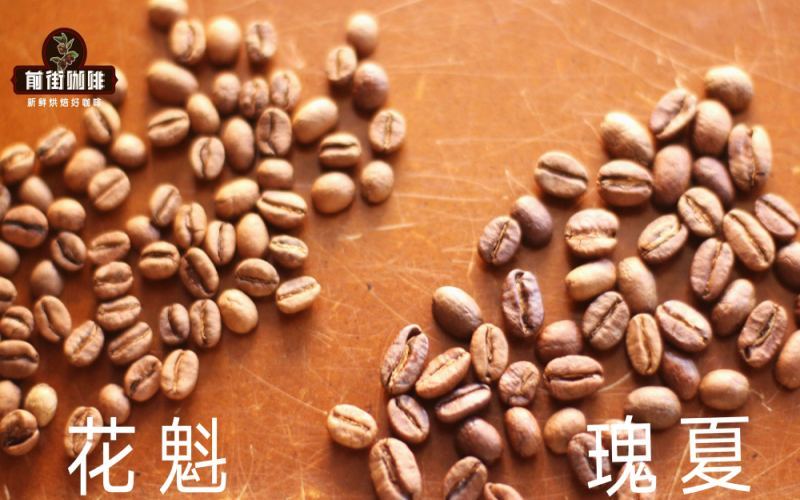
Ethiopia Hambela Woreda Huakui Coffee: A Complete Analysis from Variety Traceability to Roasting and Brewing
Huakui coffee quickly rose to fame after winning the TOH championship in 2017, but many enthusiasts often mistake it for Geisha. In fact, Huakui is a sun-dried heirloom variety produced by the Buku Abel processing station in the Hambela region of Sidama, Ethiopia, and is labeled as Hambella on foreign jute bags. This article will start from the definition of the variety, clarify the differences between Huakui and Geisha, sort out the origin of Huakui's name, its production area range, the meaning of its number, and the independent status of small-bean Huakui, and include Front Street Coffee's roasting curve and pour-over parameters to help readers fully grasp the background and brewing points of this bean. [more…]
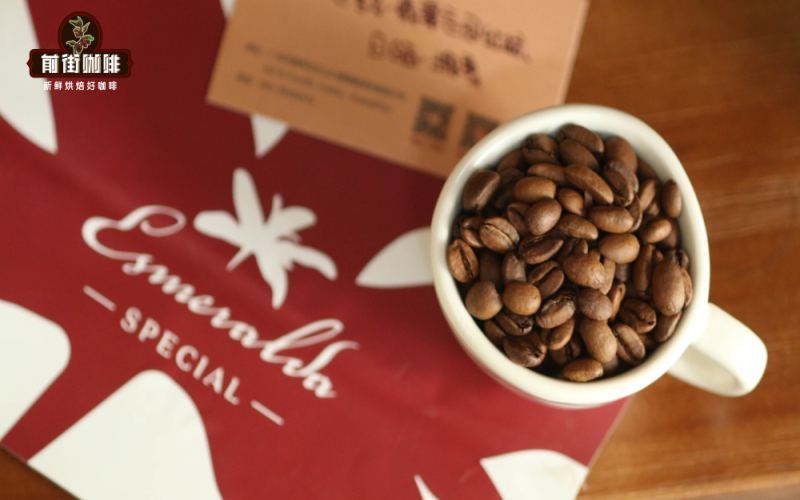
A Roundup of Flavor Profiles and Signature Beans from the World's Top Ten Coffee-Producing Countries: From Panama Geisha to Yunnan Sun-Dried Typica
Coffee is one of the world's three major beverages, but the coffee tree has quite demanding growing conditions: it must be located near the equator, between 15 and 25 degrees north and south of the tropics, and it also requires sufficiently high altitude, a cool climate, and abundant rainfall. About 50-plus countries around the world are able to grow coffee, and coffee from different origins has its own strengths in quality, taste, and mouthfeel. In this article, Front Street Coffee will review ten representative coffee-producing countries and their signature beans, covering Panama Hacienda La Esmeralda Geisha, Ethiopia Sidamo Flower Chief, Jamaica Blue Mountain, Kenya Asalia, Indonesia Golden Mandheling, Colombia Rose Valley, Brazil Queen's Farm, Honduras Sherry, Costa Rica Musician Series, and Front Street 2013 Yunnan Small-Bean Natural Typica, taking you through the flavor characteristics and stories behind each origin at once. [more…]
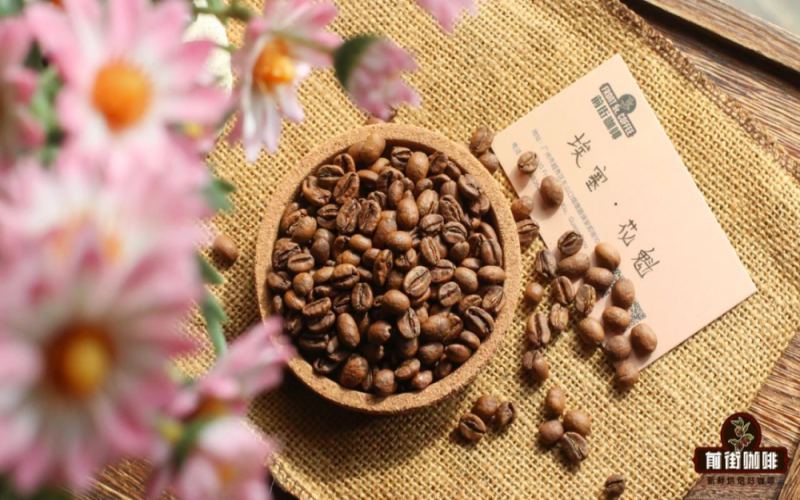
Flavor Analysis of Geisha Coffee Beans: A Complete Guide to Sun-Dried Processing and SOE Espresso, Pour-Over, Latte, and Americano Taste Profiles
In recent years, Huakui coffee beans have continued to gain popularity in China's coffee scene, with many enthusiasts raving about their strawberry-cream-like fermented aroma and bright fruit acidity. This article, from the perspective of Front Street Coffee, will trace the origin of the name Huakui, the details of sun-drying in the Hambela region, and the specific flavor performance of Huakui under different roasting curves in various extraction methods such as SOE espresso, americano, latte, and pour-over, helping readers gain a more three-dimensional understanding of this bean's appeal and providing a reference for purchasing and brewing. [more…]
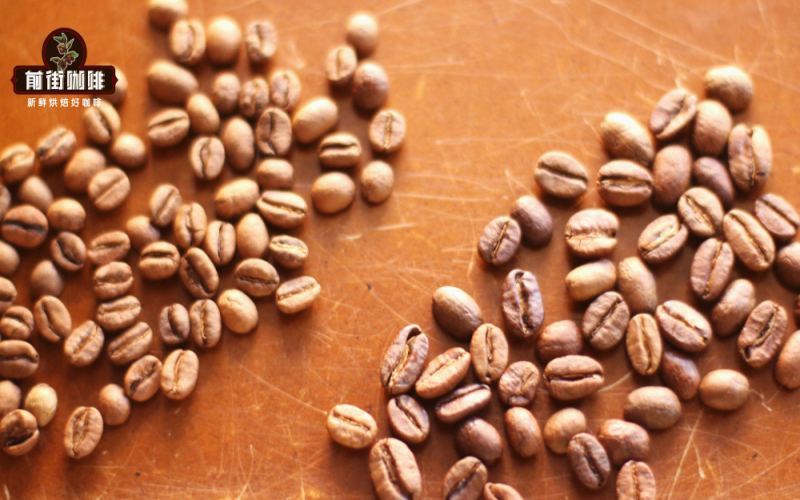
Are Huakui and Geisha actually the same kind of coffee? Does Huakui 8.0 count as a top-tier Geisha?
Are Huakui and Geisha actually the same thing? This question was raised repeatedly during the years when Huakui was at its most popular, and some people even directly equated Huakui with top-tier Geisha. In fact, the two are completely different from variety to origin. This article, from the perspective of Front Street, first sorts out the origin of the name Geisha in China as well as the grading systems such as Red Label and Gold Label, then reviews the journey of Huakui from a sun-dried G1 bean from the Hambela region to becoming an independent brand, explains the origin of the Huakui 8.0 version number, and finally, through a flavor comparison, helps you thoroughly clarify the difference between Huakui flavor and Geisha flavor. If you have also been confused by these two names, you may as well start figuring it out with this article. [more…]
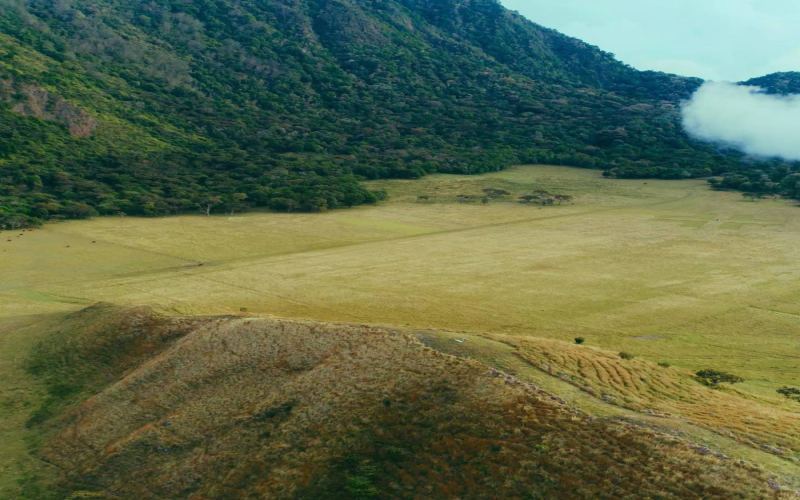
90+ Sun-Dried Sidamo Coffee Pour-Over Guide: Parameters, Bean Varieties, and Brand Recommendations
90+ is an exciting name in the coffee world, representing both exceptional quality with a cupping score above 90 and the name of an American green coffee company. With its original Profile Processing system, this company controls everything from selection and breeding to processing, and has released several coffees with stunning flavors, such as Eleta with its longan and spice notes and Juliet with its grape and champagne notes. This article will give you an in-depth look at the origins of 90+ and its estate stories, and share Front Street Coffee's pour-over parameter recommendations for 90+ sun-dried Sidamo coffee beans, helping you brew a great cup of coffee at home. [more…]
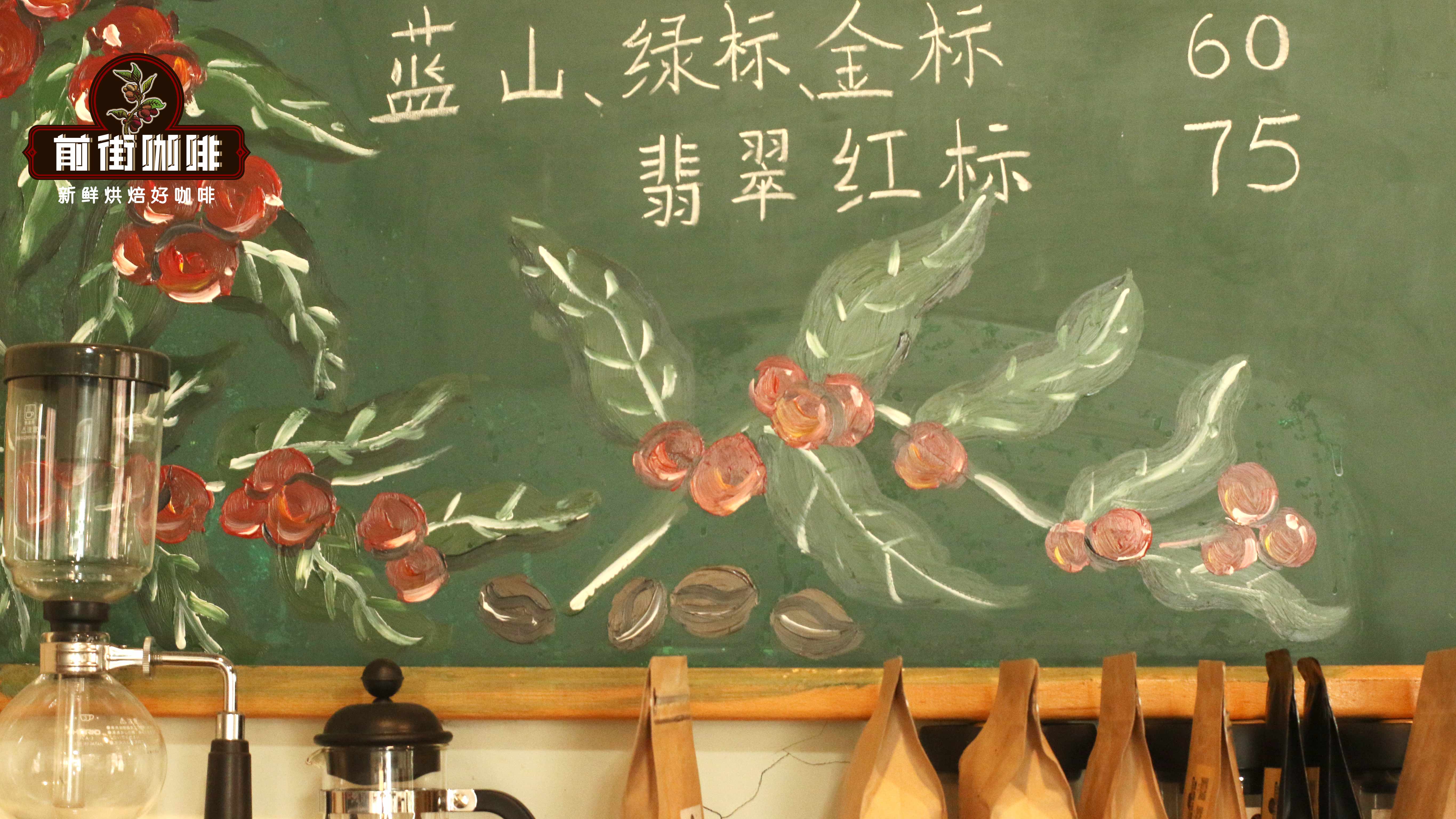
Comparing Two Red Label Geishas: An Analysis of Terroir, Grading, and Variety Differences Between Hacienda La Esmeralda and Gesha Village
Both are Red Label Geisha, but what exactly is the difference between Panama's Hacienda La Esmeralda and Ethiopia's Gesha Village? This article starts from a customer's question at a Front Street Coffee shop and systematically sorts out the specific differences between the two beans in terms of origin terroir, estate grading systems, the source of the Geisha variety, and natural processing methods. Hacienda La Esmeralda is located near the Barú volcano, with a unique microclimate; Gesha Village is rooted in Ethiopia's native forest at high altitude. In terms of grading, Hacienda La Esmeralda was the first to establish a lot system, while Gesha Village's Red Label corresponds to Growers Reserve, accounting for 15% of production and requiring an SCA cupping score of 88 or above. As for the variety, Gesha Village Red Label may include Gesha 1931, Gori Gesha, or even non-Geisha varieties. The lot purchased by Front Street Coffee is a naturally processed Gori Gesha, with flavors showing jasmine, berry, and apricot notes. So which one tastes better? The answer varies from person to person. [more…]
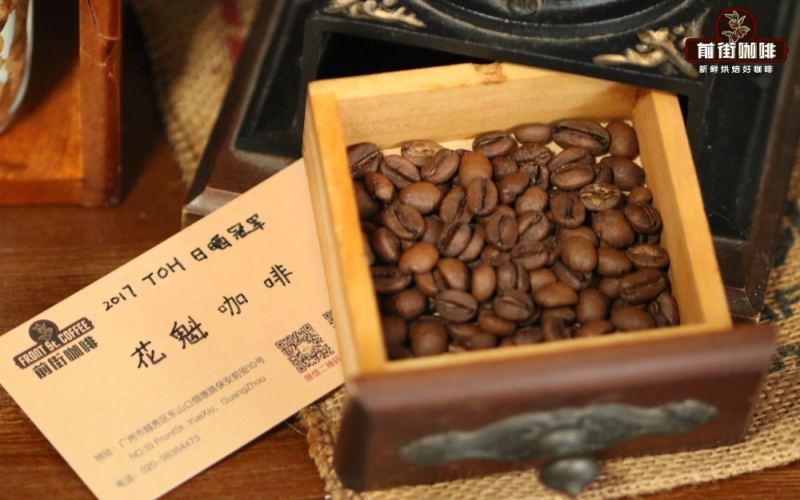
Flavor Analysis of Huakui Coffee: Taste Differences from Geisha Variety and Pour-Over Parameter Comparison
Huakui and Geisha—one is a sun-dried heirloom variety from the Guji region of Ethiopia, the other a legendary variety from Hacienda La Esmeralda in Panama. Both are renowned for their floral aroma and fruity acidity, yet each has its own distinctive character. Starting from the origin background and sun-drying process of Front Street Coffee's Huakui coffee beans, this article takes an in-depth look at the core differences between Huakui and Geisha in terms of variety characteristics and flavor expression, and includes the pour-over parameters and tasting notes for two of Front Street's regular beans, helping coffee lovers clarify the flavor profiles of these two beans. [more…]
The Origin of the Hunkute Coffee Name and the Truth About Its Flavor: From the Hambela Buku Abel Estate to Front Street Coffee's Natural-Process Hunkute
Huakui coffee is often mistaken for having an intense floral aroma, but in reality it is dominated by tropical fruit notes such as passion fruit, strawberry, and mango. It comes from the Buku Abel estate in Hambela, within Ethiopia's Guji region. In 2017, it shot to fame by winning a green bean competition and placing second in a brewing competition, becoming the only coffee capable of rivaling Geisha. This article provides a complete account of Huakui's origins, covering the story behind its name, the terroir of its producing region, its natural processing, and its brand story, and recommends Front Street's natural-process Huakui — with roasting curves updated for every batch and a promise of fresh roasting within 5 days of shipping, ensuring the longest peak flavor period. [more…]
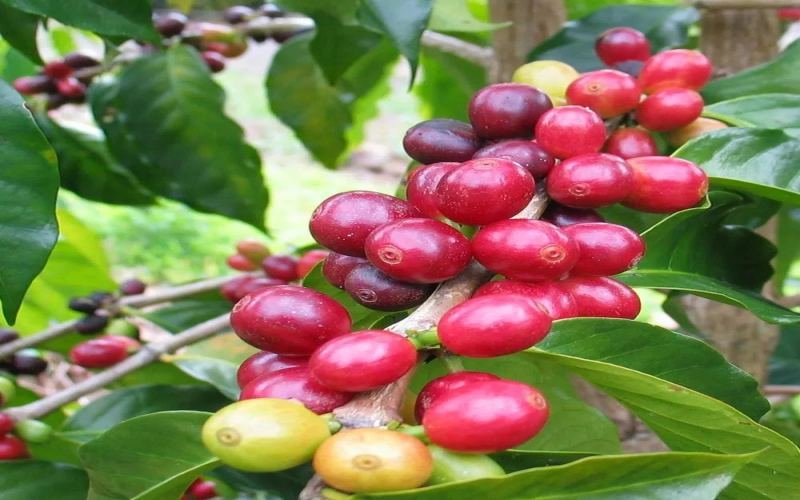
Geisha Coffee Brewing Techniques and a Full Analysis of the Sun-Dried Flavor of Panama's Aurora Estate
Geisha coffee is known as the luxury item of the coffee world, and its delicate varietal characteristics and high price make the brewing process especially noteworthy. This article focuses on the sun-dried Geisha from Panama's Aurora Estate, reviewing the estate's impressive results in BOP competitions and its processing methods, and sharing Front Street Coffee's custom pour-over recipe for Geisha—including a V60 dripper, 91°C water temperature, a 1:15 coffee-to-water ratio, and a three-stage pouring technique. It also analyzes the flavor layers of Aurora sun-dried Geisha—white floral aromas, berry-like acidity, and honey sweetness—and offers advice on resting and freshly roasting the beans, helping enthusiasts present this precious bean's full charm in a more reliable way. [more…]
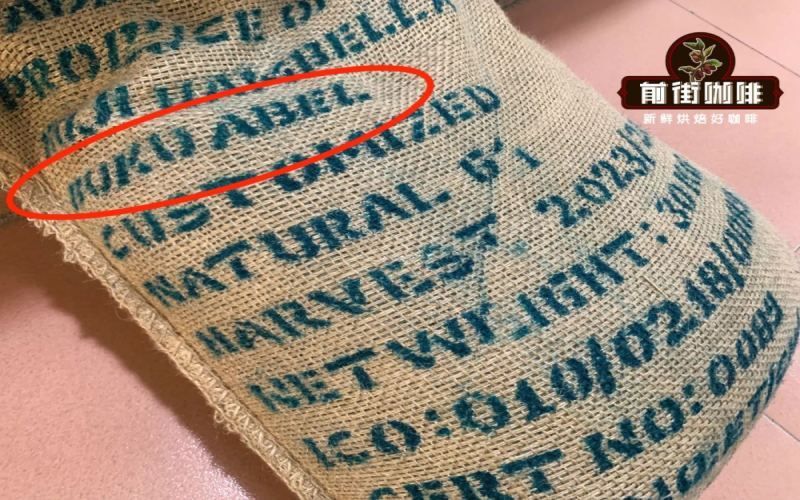
Comparing the Flavors of Huakui and Geisha: Taste Differences and Brewing Tips for Ethiopian Natural Heirloom and Panama's Famous Variety
Huakui and Geisha are often compared, as both attract attention for their floral aromas and fruity acidity. Front Street Coffee's Huakui coffee beans come from the Buku Abel processing station in Hambela, Guji region, Ethiopia, and are sun-dried, presenting juicy notes of peach, passion fruit, and mango; Geisha is a variety originating from Ethiopia's Gesha Mountain and later gaining fame in Panama, known for its white floral notes, citrus acidity, and tea-like sweet finish. This article will sort out what exactly differs between Huakui and Geisha from aspects such as origin background, varietal differences, processing method influence, flavor cupping, and brewing parameters, and provide the commonly used pour-over recommendations from Front Street stores, helping you more clearly choose the cup that suits your taste. [more…]
Exploring Panama's Elida Estate: A Comparison of Geisha and Typica Varietal Flavors and Processing Method Analysis
Located in the Boquete production region of Panama, Elida Estate has a century-long history and a high-altitude growing environment, making it a star estate that attracts much attention in the specialty coffee world. For this comparison, Front Street Coffee selected Geisha and Typica from the same plot and at similar altitudes at Elida Estate, breaking down the performance of the two beans one by one, from variety characteristics and processing method differences to roasting curves and cupping flavors. The article also provides an in-depth introduction to the estate's growing conditions, the characteristics of the Catuai variety, and how the anaerobic fermentation low-temperature slow sun-drying process produces a champion-level Geisha. Whether you want to understand the flavor differences between Geisha and Typica, or are interested in processing methods and roasting details, you can gain valuable reference from it. [more…]
Exploring Panama's Janson Estate: Terroir and Sun-Dried Processing Flavor Analysis of Geisha Coffee Beans
Panama is a core producing country for specialty coffee worldwide, and the Geisha variety is undoubtedly its most dazzling star. Besides the widely known Hacienda La Esmeralda, Hacienda Janson also ranks among the top tier with its outstanding Geisha quality. From the perspective of Front Street Coffee, this article systematically reviews Panama's climate and producing regions, focusing on Hacienda Janson in the Volcan region, analyzing its growing environment, variety traceability, and natural processing method, and includes Front Street Coffee's brewing suggestions and flavor description, taking you through a comprehensive understanding of this rare, primarily domestically sold Panama Geisha. [more…]